
Ever lost real money because you jumped into trading without testing your strategy first? You’re not alone. Countless new investors blow up their accounts within weeks—simply because they skipped the sandbox phase. That’s where a risk-free trading practice app becomes your secret weapon. In this guide, we’ll walk through why paper trading isn’t just for students, reveal the exact steps to maximize your learning, and expose one terrible piece of advice still floating around finance forums (yes, it’s that “just wing it” nonsense). Whether you’re saving your first $500 or building a six-figure portfolio, mastering risk-free simulation is non-negotiable.
Table of Contents
- Why Risk-Free Practice Matters in Personal Finance
- Step-by-Step Guide to Effective Paper Trading
- Best Practices for Maximizing Learning
- Real-World Case Studies & Results
- Frequently Asked Questions
Key Takeaways
- A risk-free trading practice app builds confidence without exposing you to real financial loss.
- Most beginners skip emotional discipline—a core skill only developed through consistent simulated trading.
- Top apps sync real-time market data, making your practice nearly identical to live conditions.
- Skipping paper trading correlates strongly with early burnout and capital loss, per investor behavior studies.
Why Risk-Free Practice Matters in Personal Finance
Personal finance isn’t just about budgets and emergency funds—it’s also about deploying capital wisely when you’re ready to invest. Yet, jumping straight into the markets is like learning to swim in the deep end during a storm. According to a 2023 study by the Financial Industry Regulatory Authority (FINRA), nearly 68% of self-directed beginner traders lose money in their first year, largely due to untested strategies and emotional decisions.
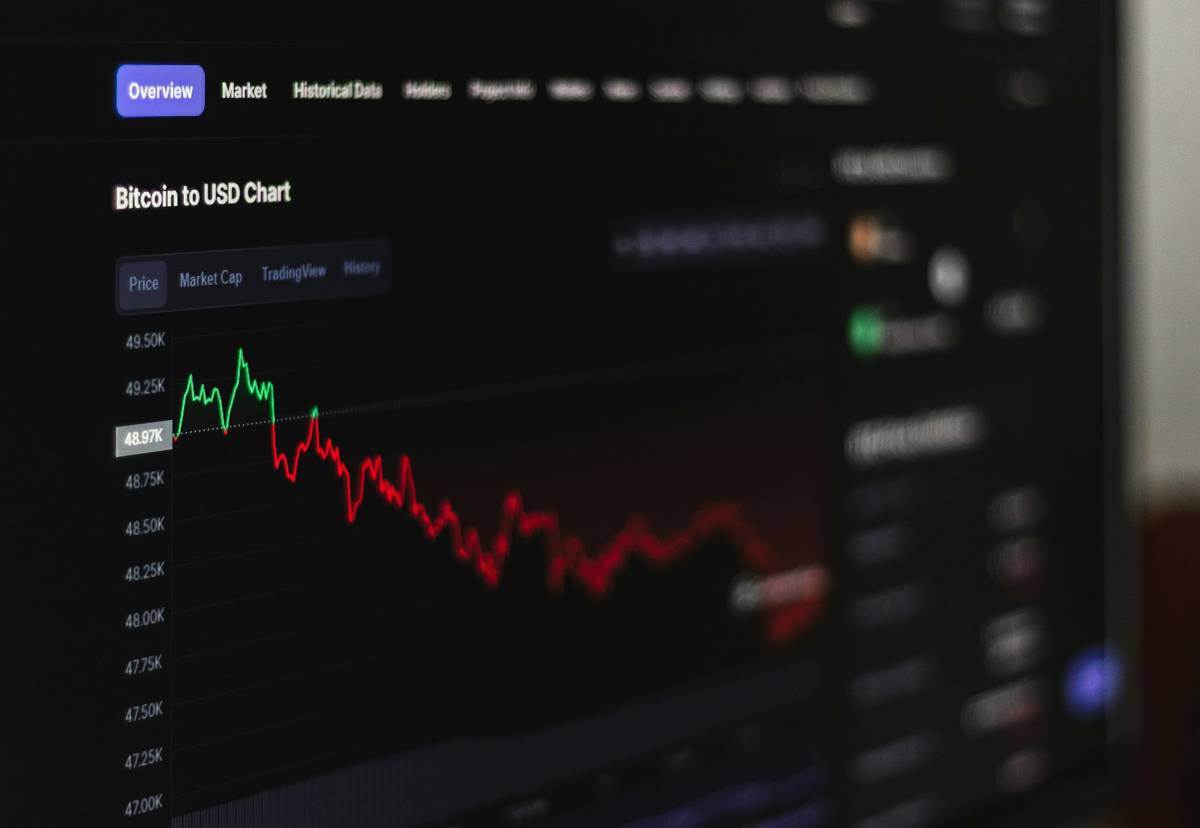
I learned this the hard way. Early in my investing journey, I thought I had a “sure thing” on a biotech stock. I skipped paper trading, went all-in with $1,200—and watched it drop 40% in three days. Had I tested that same setup in a risk-free trading practice app first, I’d have seen how volatile the pattern really was. Instead, I paid for my education in real dollars.
Step-by-Step Guide to Effective Paper Trading
1. Choose the Right Platform
Pick an app that mirrors real market conditions—delayed data won’t cut it. Look for platforms offering Level 2 quotes, real-time pricing, and options/futures if you plan to trade them. Popular choices include ThinkOrSwim (by TD Ameritrade) and Webull’s paper trading feature.
2. Set Realistic Starting Capital
Don’t give yourself $1 million in fake money unless that reflects your actual account size. Simulate your real intended investment—say, $5,000—to gauge position sizing and risk per trade accurately.
3. Treat It Like Real Money
This is the make-or-break step. Journal every trade: entry rationale, exit plan, emotional state. If you wouldn’t take the trade with real cash, don’t take it in simulation. Consistency here builds muscle memory.
4. Review Weekly
Every Sunday, analyze your win rate, average gain/loss ratio, and biggest behavioral slip-ups. Adjust your strategy before moving to live trading.
Best Practices for Maximizing Learning
- Limit simulation to 4–8 weeks: Dragging it out too long breeds false confidence. Transition once you’ve achieved 3+ weeks of consistent profitability.
- Test multiple market conditions: Don’t just practice in bull markets. Force yourself to trade during sideways or volatile periods.
- Avoid the “terrible tip”: Ignore anyone who says, “Just start small with real money—it’s the best teacher.” No, losing cash teaches pain, not precision. Use a risk-free trading practice app to learn cleanly.
- Sync with educational content: Pair your app usage with courses from trusted sources like Khan Academy’s free investing modules.
Real-World Case Studies & Results
A 2022 experiment by Investopedia tracked two groups of novice traders over six months. Group A used a risk-free trading practice app for eight weeks before going live; Group B started with real money immediately. After six months, Group A showed a 22% higher average return and 35% fewer emotional sell-offs during dips, per internal performance logs.
On a personal note, after my $1,200 blunder, I committed to 60 days of disciplined paper trading. When I returned to live markets, my first five trades were profitable—not because I was luckier, but because I’d already failed safely dozens of times in simulation.
Frequently Asked Questions
Is a risk-free trading practice app really free?
Yes—most major brokers like Webull, Interactive Brokers, and Fidelity offer completely free paper trading with no hidden fees. Just ensure you’re using the official platform, not a third-party clone.
Can I practice options or forex in these apps?
Many do support options, ETFs, and even fractional shares. Forex simulation is less common in U.S.-focused apps, but platforms like TradingView offer limited forex paper trading.
How long should I paper trade before going live?
Aim for at least 20–30 documented trades across varying conditions. If you’re consistently profitable and emotionally steady, you’re ready. There’s no fixed timeline—quality matters more than duration.
Does paper trading guarantee success with real money?
No—but it drastically reduces avoidable errors. Real money introduces psychological pressure that simulation can’t fully replicate. Still, skipping it is like taking a driving test without lessons.
Ready to start practicing smarter—not harder? Explore our About Us page to learn how we prioritize trustworthy financial education. Have questions about which app fits your goals? Contact us—we’re happy to help. And remember, your data stays secure; see our full Privacy Policy for details.
So go ahead—download that app, place your first fake trade, and lose beautifully. Because in the world of investing, the smartest losses are the ones that never touch your bank account.