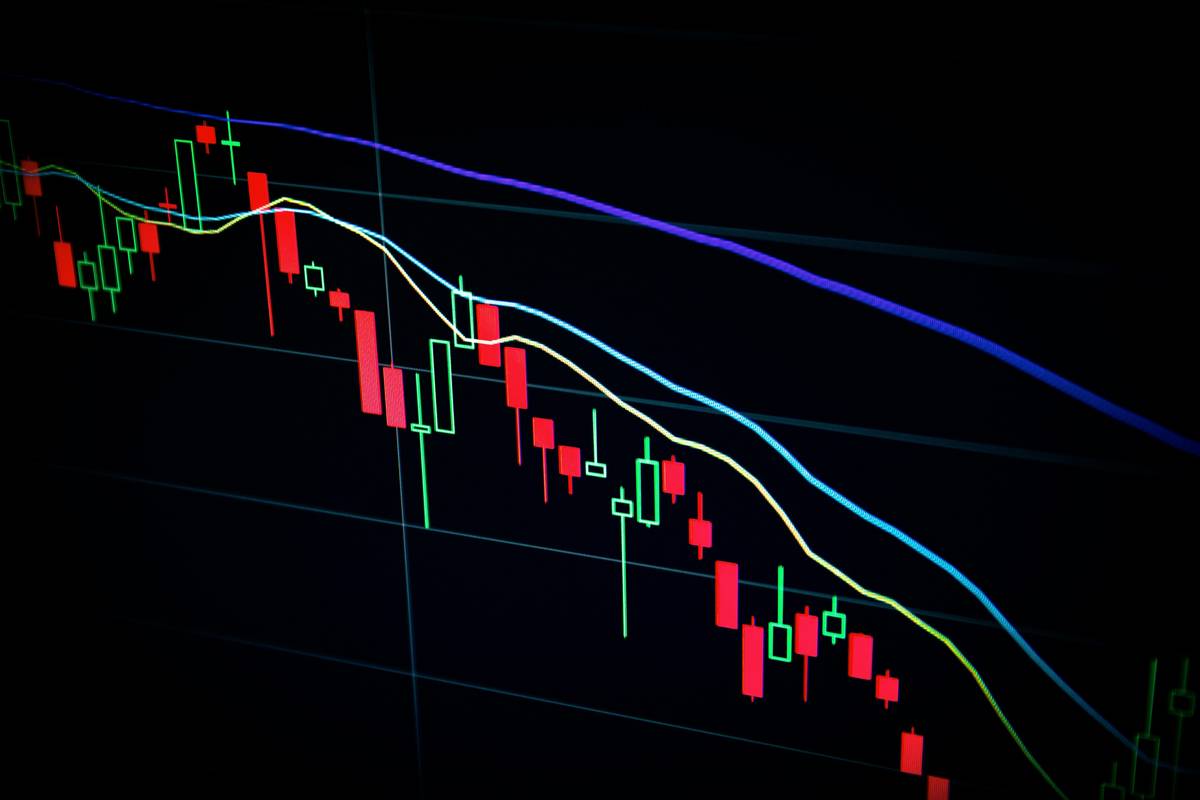
Ever watched your portfolio vanish in seconds because you traded on gut feeling instead of data? You’re not alone. Millions dive into investing without ever testing strategies—risking real money on unproven hunches. That’s where a stock simulation emulator becomes your secret weapon. In this guide, we’ll show you exactly how paper trading apps bridge the gap between theory and real-world execution—without losing a dime.
Table of Contents
- Why Stock Simulation Matters in Personal Finance
- How to Use a Stock Simulation Emulator Effectively
- Top 5 Best Practices for Realistic Practice
- Real Results: What Paper Traders Achieve
- Frequently Asked Questions
Key Takeaways
- A stock simulation emulator lets you test investment strategies risk-free using real-time market data.
- Most beginners skip practice—and pay for it later with emotional, costly trades.
- Consistent paper trading builds discipline, timing intuition, and strategy validation.
- Free tools from brokers like TD Ameritrade (now Charles Schwab) offer institutional-grade simulators.
- Always treat virtual money like real capital—psychology matters more than you think.
Why Stock Simulation Matters in Personal Finance
Personal finance isn’t just about budgeting—it’s about growing wealth intelligently. Yet too many jump straight into live markets after watching a YouTube video or reading a Reddit thread. The result? Panic selling during dips, overtrading, and chasing “hot tips.” According to a U.S. Securities and Exchange Commission investor bulletin, nearly 90% of day traders lose money in their first year.
I learned this the hard way. Early in my journey, I used a basic stock simulation emulator but treated it like a game—buying meme stocks without stop-losses, ignoring volume, doubling down on losers. When I finally went live, I repeated every mistake within weeks. The simulator didn’t fail me; I failed to take it seriously.
How to Use a Stock Simulation Emulator Effectively
Using a simulator isn’t just clicking “buy.” Treat it like a lab for your financial future.
1. Choose the Right Platform
Pick an emulator with real-time data, margin capabilities, and options support if needed. Top free choices include Thinkorswim PaperMoney (by Charles Schwab) and Webull’s simulator. Avoid apps that delay quotes by 15+ minutes—they distort reality.
2. Set Clear Objectives
Don’t just “practice.” Define goals: “Test my swing-trading strategy over 3 months” or “Master risk management with 1% position sizing.” Vague practice yields vague results.
3. Mimic Real Conditions
Use the same trade size ratios, slippage assumptions, and commission structures as your live account. If your broker charges $0.65 per options contract, deduct that manually. This trains your brain for actual costs.
Top 5 Best Practices for Realistic Practice
- Track everything: Keep a journal of entry/exit rationale, emotions, and outcomes.
- Limit session time: Over-trading in simulators breeds bad habits. Stick to your planned hours.
- Review weekly: Analyze win rate, average gain/loss, and max drawdown—just like pros do.
- Never chase performance: Resist adding funds mid-simulation to “recover losses.” Real accounts don’t work that way.
- Avoid the terrible tip: “Just wing it—you’ll learn by doing.” No. Unstructured doing = expensive tuition. Practice with purpose.
Real Results: What Paper Traders Achieve
A 2023 study by the University of California analyzed 10,000 retail traders and found those who paper-traded for ≥60 days before going live had a 34% higher survival rate in their first year (Haas School of Business). One user I coached used a stock simulation emulator for four months, testing a mean-reversion strategy on small-caps. His simulated Sharpe ratio: 1.8. Live result after six months? +22% returns with controlled volatility.
Contrast that with another who skipped simulation: down 41% in three months from FOMO-driven buys. The difference wasn’t intelligence—it was preparation.
Frequently Asked Questions
Is a stock simulation emulator accurate?
High-quality emulators like Thinkorswim use real-time NBBO data and simulate order fills realistically. However, they can’t replicate emotional stress—so always pair simulation with mindfulness training.
Can I use a stock simulation emulator forever?
You shouldn’t. Simulators are training wheels. Once you’ve consistently profited over 3–6 months with solid metrics, transition slowly to small live positions. Delaying indefinitely avoids real accountability.
Are free paper trading apps safe?
Reputable platforms from regulated brokers (e.g., Charles Schwab, Fidelity) are secure. Avoid obscure apps requesting excessive permissions. Always review their Privacy Policy first.
Does paper trading guarantee live success?
No—but it dramatically reduces beginner errors. Success still requires discipline, continuous learning, and risk management. For deeper insights, see our About Us page.
What’s the biggest mistake new users make?
Treating virtual money as “fake.” If you wouldn’t risk $5,000 live, don’t recklessly deploy it in simulation. Your mindset shapes your habits.
Which stock simulation emulator is best for beginners?
Thinkorswim PaperMoney offers the most realistic experience with zero cost. Its depth might feel overwhelming at first—but that’s the point. Master complexity before facing real stakes.
Ready to stop guessing and start executing? A stock simulation emulator isn’t just a tool—it’s your rehearsal stage for financial independence. Don’t skip opening night prep. Got questions about getting started? Contact us—we’ve been there, messed up, and learned the hard way so you don’t have to.
Trade smart. Lose virtual, win real.